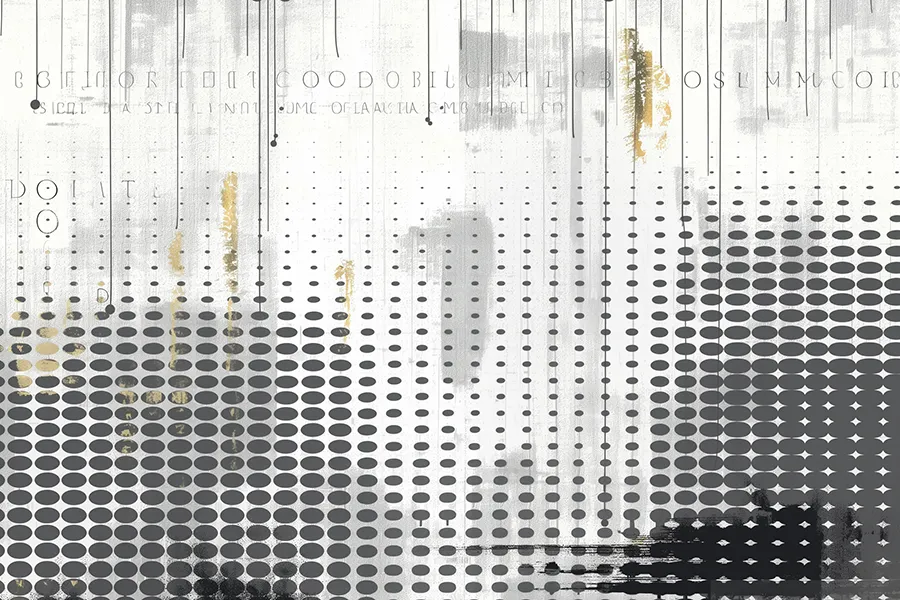
Abstract Duotone Halftone Dot Art: A Fusion of Simplicity and Complexity
Unveiling the Charm of Abstract Duotone Halftone Dot Art
In the ever-evolving world of art, where styles blend and boundaries blur, Abstract Duotone Halftone Dot Art emerges as a captivating fusion of simplicity and complexity. This art form marries the minimalist beauty of duotone color schemes with the intricate patterns of halftone dots, creating pieces that are both visually striking and deeply nuanced. This blog dives into the heart of Abstract Duotone Halftone Dot Art, exploring its origins, appeal, classic and digital variations, and its vibrant presence in contemporary art collections, including the notable collection at Art Gas.
Introduction to Abstract Duotone Halftone Dot Art
Abstract Duotone Halftone Dot Art is a style that utilizes the halftone process, a printing technique that simulates shades of color using dots of varying sizes and spacing. By combining this with a duotone palette—two contrasting colors—the art form achieves a unique aesthetic that plays with perception, depth, and emotion.
The Origins and Evolution
The halftone dot technique dates back to the late 19th century, initially used in newspapers and mass-produced illustrations. It was a practical solution for reproducing images with a limited range of colors. However, artists soon recognized its aesthetic potential, incorporating it into various art movements. The adoption of duotone color schemes added another layer of artistic expression, leading to the development of Abstract Duotone Halftone Dot Art.
Why the Popularity?
This style’s popularity lies in its ability to convey complex visual narratives through minimal means. It appeals to those who appreciate the intersection of technology and art, offering a modern twist on traditional dot painting techniques. The abstract nature invites viewers to engage their imagination, making each piece a personal experience.
Who Does It Appeal To?
Abstract Duotone Halftone Dot Art has a broad appeal, attracting art enthusiasts who appreciate both the technical mastery and the emotional depth of artworks. Designers and digital artists are particularly drawn to this style for its versatility and impact in visual communication.
Classic Variations
- Monochrome Elegance: Utilizing shades of a single color to create depth and dimension.
- Contrast Play: Employing starkly contrasting colors for dramatic effect.
- Nature Inspired: Drawing from natural color palettes for a serene and organic feel.
- Urban Vibrance: Capturing the energy of cityscapes with bold and dynamic color schemes.
- Retro Revival: Incorporating vintage colors for a nostalgic touch.
- Minimalist Abstract: Focusing on simple shapes and forms to convey meaning.
- Geometric Precision: Combining geometric shapes with halftone patterns for a structured look.
- Expressionist Flair: Using color and dot gradients to evoke emotional responses.
- Pop Art Influence: Bright, pop culture-inspired palettes for a playful vibe.
- Surreal Dreams: Surreal color combinations that transport viewers to dreamlike states.
Digital or AI Variations
- 3D Illusionary: Creating the illusion of three-dimensionality through digital halftone techniques.
- Animated Dots: Incorporating motion into halftone patterns for dynamic digital artworks.
- Interactive Art: Using digital platforms to allow viewers to alter color schemes interactively.
- Virtual Reality Experiences: Immersive VR art that utilizes duotone halftones for a unique visual experience.
- Augmented Reality Integrations: Overlaying digital halftone art onto real-world environments through AR.
- Generative Art: AI algorithms generating unique duotone halftone patterns.
- Digital Mosaic: Pixel-like halftone dots creating complex images and patterns.
- Neon Glow: Digital artworks that simulate neon lighting with halftone effects.
- Cyberpunk Aesthetics: Futuristic, neon-infused color schemes with a tech edge.
- Eco-conscious Themes: Digital art that uses nature-inspired duotones and halftone patterns to highlight environmental themes.
10 FAQs about Abstract Duotone Halftone Dot Art
What is Halftone Dot Art?
Why use only two colors in Duotone Art?
Can digital techniques replicate traditional halftone effects?
Is Abstract Duotone Halftone Dot Art suitable for beginners?
How is emotion conveyed in this art form?
What materials are needed for traditional halftone dot art?
Can this art style be considered eco-friendly?
How has technology influenced this art style?
Are there any famous artists who specialize in this style?
How can I display Abstract Duotone Halftone Dot Art in my home?
Resources
- Digital Pioneers: Artists and designers on platforms like Behance and Dribbble showcase innovative digital halftone artworks.
- Educational Resources: Websites like Skillshare and Udemy offer courses on digital and traditional halftone techniques.
Why Art Gas’s Collection is a Must-See
Art Gas’s collection of Abstract Duotone Halftone Dot Art is meticulously curated to showcase the breadth and depth of this style. From classic interpretations to avant-garde digital creations, each piece invites viewers to explore the intricate dance of dots and colors. The collection stands as a testament to the enduring appeal and evolving nature of Abstract Duotone Halftone Dot Art, making it a worthy destination for art lovers and collectors alike.
Conclusion
Abstract Duotone Halftone Dot Art is a testament to the power of minimalism and complexity coexisting in harmony. Through its rich history, diverse variations, and the emotional depth it encapsulates, this art style continues to fascinate and inspire. Whether through the lens of a traditionalist or the screen of a digital artist, the exploration of duotone halftones offers endless creative possibilities. Art Gas